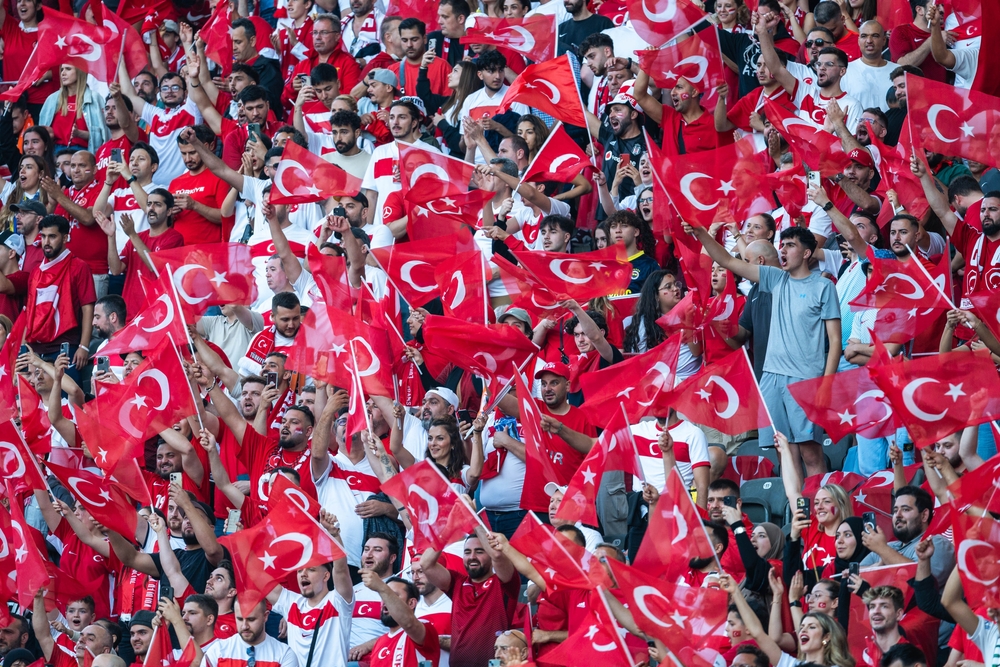
World Cup 2026 Fan Experience – World Cup 2026 is being spoken about in the future tense, but for the millions of people who will experience it – in stadiums, in fan zones, in packed sports bars in Winnipeg and Halifax, or streaming on a laptop at a campsite in Banff – it will feel like the present tense of their lives for five extraordinary weeks. From the mountains framing BC Place to the ancient concrete and deafening noise of Mexico City’s Estadio Azteca, this tournament will offer a range of live experiences unlike anything the sport has ever assembled in a single edition. Here’s what to expect, city by city and culture by culture.
What Are Fan Zones and Why They Matter at This Tournament
Fan Zones are officially designated public gathering spaces where supporters – with or without match tickets – can watch games on large outdoor screens, participate in tournament activations, and share the collective experience of the World Cup without being inside a stadium. FIFA operates Fan Zones in partnership with host cities, typically in central public spaces: waterfront areas, city squares, parks, or purpose-built temporary venues.
At Qatar 2022, Fan Zones were functional but constrained by cultural and logistical limitations specific to the Gulf host environment. For 2026, the open, festival-friendly culture of Canadian, American, and Mexican cities creates conditions for Fan Zone experiences that are genuinely transformative. A Fan Zone at Toronto’s waterfront, Vancouver’s English Bay, or in the shadow of Mexico City’s historic district will deliver the kind of spontaneous, multicultural energy that makes these spaces memorable.
For the majority of Canadian fans – who won’t be able to secure tournament tickets regardless of interest, simply because demand massively exceeds supply at every World Cup – Fan Zones become the primary live tournament experience. Understanding where they’ll be, how they’ll run, and what the cultural atmosphere will feel like in each Canadian host city is essential for anyone planning their summer around 2026.
Fan Experience Across Canada, the USA, and Mexico
Vancouver – The Pacific Gateway
BC Place, the tournament’s Vancouver venue, sits in the heart of downtown – a retractable-roof stadium with a mountain backdrop that no other World Cup venue can match aesthetically. Vancouver’s soccer culture is authentic and diverse: the Whitecaps have built a genuine supporter culture since joining MLS in 2011, and the city’s large immigrant communities from soccer-centric nations across Latin America, Asia, and Europe mean a Vancouver group-stage match draws multilingual, multi-national fan energy. The city’s English Bay, Granville Island, and Gastown districts will all host informal fan gatherings. For a Canadian bettor watching games from Vancouver, TSN and CBC/CTV coverage will be available on every screen in the city.
Ver esta publicación en Instagram
Toronto – The Tournament’s Most Diverse City
Toronto brings something no other host city in 2026 can match: the most genuinely multicultural urban soccer atmosphere on earth. Nearly half of Toronto’s population was born outside Canada, representing virtually every nation competing in the tournament. A Canada vs. any European opponent in Toronto becomes a home game for two different fanbases simultaneously. The city’s downtown entertainment district, Harbourfront, and Distillery District are the natural gathering points; the specific tournament venue in the Toronto area will drive decisions about where Fan Zone infrastructure concentrates.
Ver esta publicación en Instagram
United States: Scale Meets Spectacle
The 11 American host cities bring the world’s most advanced sports entertainment infrastructure to the tournament. MetLife Stadium in East Rutherford, New Jersey – the expected Final venue – seats over 82,000 and sits in the New York media market, meaning every match there generates broadcast and commercial attention at the highest scale on earth. AT&T Stadium in Arlington, Texas (Dallas-Fort Worth area) features the world’s largest high-definition video screen and a corporate hospitality ecosystem unmatched anywhere in international soccer. Hard Rock Stadium in Miami brings the energy of South Florida’s massive Latin American diaspora community to tournament football.
Ver esta publicación en Instagram
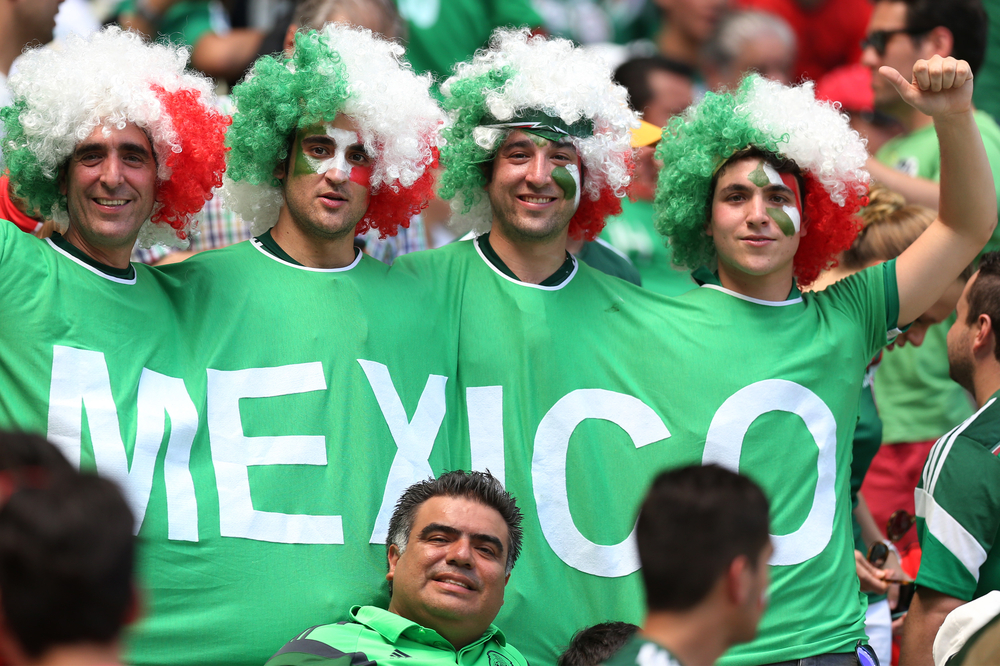
Mexico: Where Soccer Is Religion
Mexican soccer culture is among the most viscerally passionate on earth, and the three Mexican host cities – Mexico City (Estadio Azteca), Guadalajara (Estadio Akron), and Monterrey (Estadio BBVA) – will generate atmospheres that no amount of description adequately prepares a visitor for. The Azteca is the only stadium to have hosted two World Cup finals (1970 and 1986), carrying a weight of history that exists in the walls and the roar of 80,000+ voices. Guadalajara’s soccer culture is equally fierce. Experiencing a match in Mexico in this tournament – whether in a stadium or in one of the city’s countless fan-packed cantinas – is on the bucket list of every serious soccer supporter in the world.
Soccer Culture in the Host Cities: What Makes Each One Unique
The cultural contrast between the 16 host cities is one of the defining characteristics of a tri-nation tournament, and it’s part of what makes the 2026 fan experience genuinely different from any World Cup that came before it.
Vancouver represents soccer culture shaped by geography and immigration: a port city facing Asia, with communities from every soccer-mad nation on the Pacific Rim. The Whitecaps’ supporter culture – the Southsiders in their organized tifos and organized noise – has built a blueprint that the national team benefits from directly.
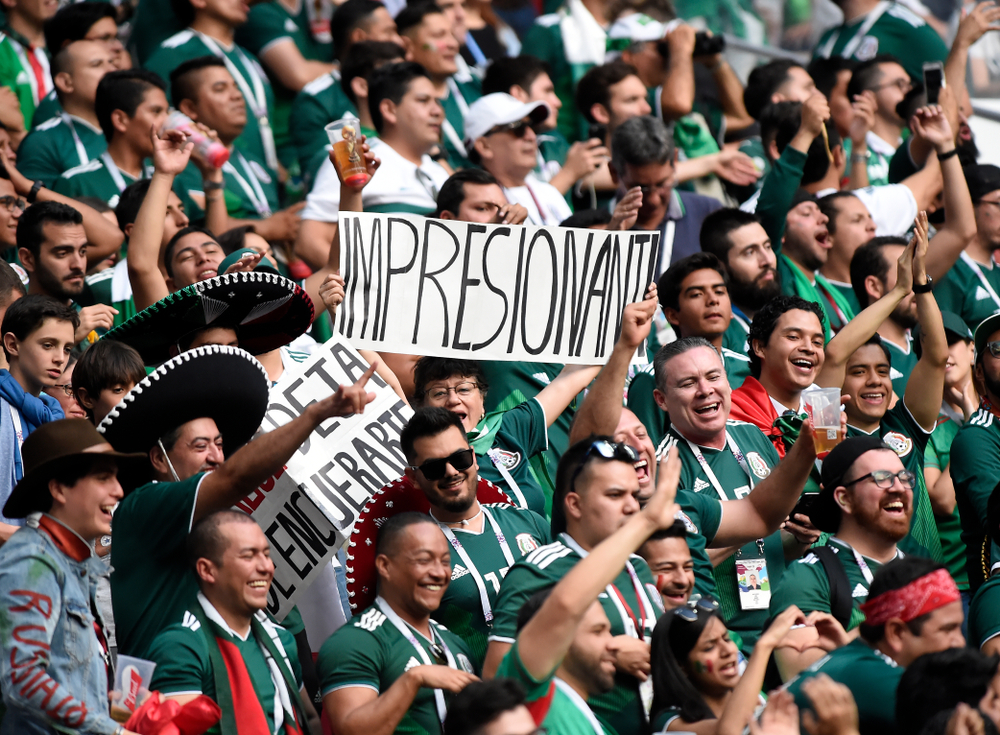
In Mexico City, soccer doesn’t compete for fan attention – it is the dominant cultural expression. The rivalry between Club América and Chivas de Guadalajara is one of the most intense in the western hemisphere; the national team’s matches at Azteca carry a weight of national identity that few other countries’ teams can match. For international visitors, a match atmosphere in Mexico City is a genuinely transformative cultural experience.
In the United States, the World Cup will land in cities with wildly varying soccer cultures. New York/New Jersey has the Red Bulls and NYCFC, plus the world’s largest diaspora community. Kansas City has Sporting KC and one of MLS’s most authentic supporter cultures. Los Angeles has LAFC and LA Galaxy, two major clubs in a massive soccer market. The tournament will accelerate soccer’s growth trajectory in American cities where the sport is still fighting for mainstream attention – and consolidate it in cities where it already has a foothold.
Stadium Atmosphere: What Bettors and Fans Should Know
| City | Venue | Capacity | Key Atmosphere Factor |
| Vancouver | BC Place | ~54,500 | Retractable roof amplifies noise; downtown location |
| Toronto | BMO Field | ~28.500 | Most diverse crowd in tournament |
| New York/New Jersey | MetLife Stadium | 82,500 | Expected Final venue; largest US media market |
| Dallas | AT&T Stadium | 80,000+ | World’s largest HD screen; massive concourses |
| Miami | Hard Rock Stadium | ~65,000 | Latin diaspora energy; outdoor heat factor |
| Mexico City | Estadio Azteca | ~87,000 | Historic venue; altitude 2,240m; legendary noise |
| Guadalajara | Estadio Akron | ~49,000 | Passionate local rivalry culture |
From a betting perspective, stadium atmosphere carries measurable impact. Crowd noise and one-sided home support demonstrably affect referee decision-making – home teams historically receive more favourable foul and card decisions in high-atmosphere environments. For Canadian games specifically, the crowd in Vancouver or Edmonton will be the most one-sided home support Les Rouges have ever played in front of at a major tournament. That asymmetry should factor into handicap and total goals line analysis.
Travel and Tourism Impact: What 2026 Means for Canada
World Cup 2026 is expected to generate significant international tourism inflows across all three host nations, with each host city seeing elevated hotel occupancy, transportation demand, and retail spending across the tournament window. For Canada specifically, the economic modelling around hosting two cities – Vancouver, Toronto- suggests hundreds of millions in direct tourist spending.
For fans making travel decisions, the tri-nation format creates unique itinerary possibilities. A supporter following their national team could realistically see three group stage games in three different countries – flying into Vancouver, crossing to a US city for the Round of 32, and potentially landing in Mexico for a quarter-final – all within a 16-day window. That kind of multi-country tournament journey has never existed before, and it redefines what “going to the World Cup” means logistically and experientially.
Cross-border travel between Canada and the United States during the tournament will require careful planning. Peak demand for flights between Canadian and American host cities during June-July 2026 is expected to drive prices significantly above normal summer rates. Fans planning to follow teams across the Canada-US corridor should book early and build flexibility into their itineraries for schedule changes.
For detailed city profiles, venue guides, and local information for all 16 host cities, the host cities world cup 2026 section has everything a travelling fan needs. The full tournament guide lives at our world cup guide.