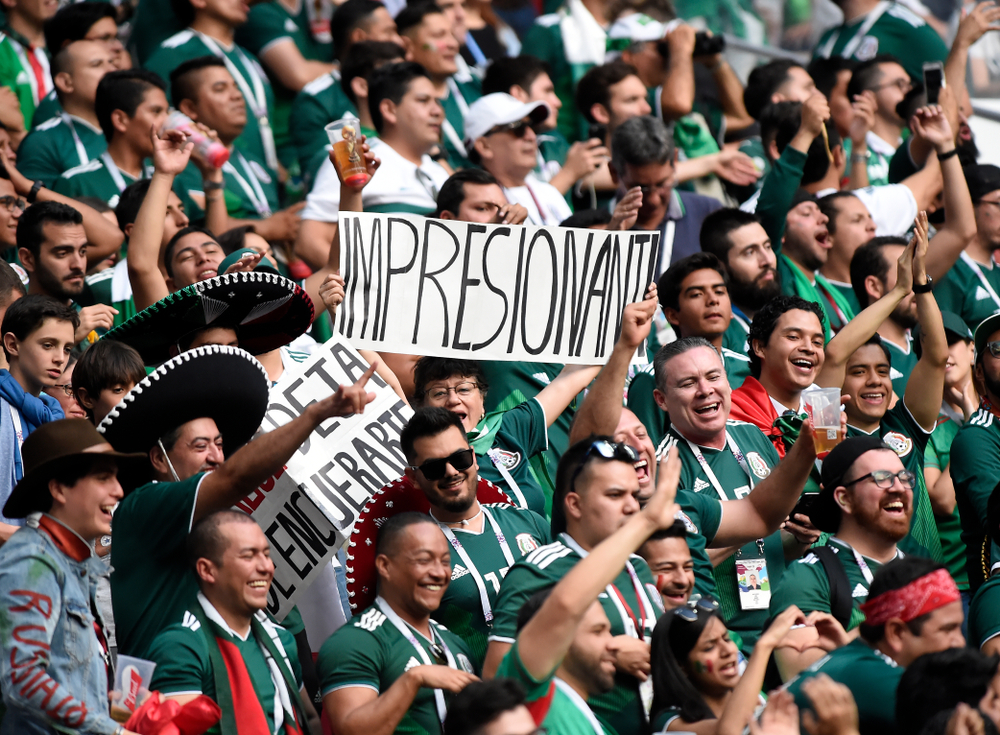
The 2026 FIFA World Cup is unlike any tournament in the history of the sport. Spread across 16 cities, three countries, and two continents, it gives fans an extraordinary menu of options – from the pulsing urban energy of New York to the laid-back coastal vibes of Los Angeles, from the altitude and passion of Mexico City to the home-turf pride of Toronto and Vancouver. For Canadians, this is a once-in-a-generation opportunity to watch the world’s biggest sporting event without boarding a transatlantic flight. The question isn’t whether to go – it’s where.
The Canadian Host Cities: Home-Soil Glory
Canada steps onto the global stage as a co-host for the first time in its soccer history, and the two venues selected – BC Place in Vancouver and BMO Field in Toronto – are not just match venues. They’re the sites where Les Rouges will play their group-stage matches, and where Canadian fans will experience something the country has never had before: a World Cup match featuring the national team on home soil.
Toronto, Ontario – BMO Field
Toronto is Canada’s largest city and its uncontested cultural capital, and the World Cup only amplifies its already electric sporting atmosphere. BMO Field has been expanded to accommodate 45,736 fans for the tournament, and it sits in Exhibition Place on the Lake Ontario waterfront – a 20-minute drive or direct transit from downtown. Canada’s opening match against Bosnia and Herzegovina takes place here on June 12, and the city is expected to host additional group-stage games. The fan zones along the waterfront, the diversity of the city’s soccer-mad immigrant communities, and the sheer density of accommodation, dining, and entertainment options make Toronto a top-tier destination for Canadian fans who want to experience the tournament without venturing far from home. July weather is warm and lively. Book accommodation early – the city will be significantly more expensive and booked during match weeks. TSN and CTV are expected to broadcast Canadian matches, while local viewing parties in Kensington Market, Distillery District, and Harbourfront will be legendary.
Ver esta publicación en Instagram
Vancouver, British Columbia – BC Place
Vancouver offers a different kind of World Cup experience – one where the stunning natural backdrop of mountains and ocean competes with the soccer for your attention. BC Place, with its retractable roof, seats over 54,000 and will host multiple group-stage matches. The city’s mild June weather (highs around 19°C, almost no humidity) means fan zones, outdoor viewing, and post-match gatherings in Gastown, Granville Island, or the West End will be genuinely enjoyable. Vancouver’s large South Asian and Latin American communities bring authentic soccer culture to every major match, regardless of who’s playing. Getting around the city is straightforward on the SkyTrain, and accommodation ranges from budget-friendly areas in East Vancouver to luxury hotels near the stadium in Yaletown. For fans from British Columbia and the western provinces, this is the obvious and best choice – short travel, familiar culture, and world-class soccer all at once.
Ver esta publicación en Instagram
Top U.S. Host Cities for the Canadian Traveller
With 11 American host cities on the map, the options are overwhelming. Here’s a focused breakdown of the ones that make the most logistical and experiential sense for fans crossing the border.
New York/New Jersey – MetLife Stadium
MetLife Stadium hosts the World Cup Final on July 19, and that alone makes the New York metro area the single most coveted destination of the entire tournament. With 82,500 capacity, it is one of the largest venues in the event. New York City itself is one of the world’s great soccer cities – the atmosphere during the 1994 World Cup group stage at Giants Stadium is still talked about by those who were there. For Canadians, the drive from Toronto is under nine hours, and flights from Toronto Pearson, Montreal Trudeau, and Ottawa are plentiful and short. The city’s hospitality infrastructure is second to none. The downside: accommodation prices in New York during any major event are eye-watering, and match-week surges will be extreme. Budget conservatively and book the moment you secure tickets.
Los Angeles – SoFi Stadium
SoFi Stadium in Inglewood holds 70,000 fans and is one of the most modern venues in North American sports. Los Angeles is an ideal World Cup city for fans who want to extend their trip into a broader California vacation – the weather is perfect in June and July (27°C, low humidity), the food and nightlife scene is world-class, and the city’s enormous Latin American population means the atmosphere for matches involving Mexico, Colombia, and Argentina will be electric. Flights from Vancouver International to LAX run as low as $150 CAD return during off-peak windows, making it very accessible for western Canadian fans.
Dallas – AT&T Stadium
AT&T Stadium in Arlington is the largest World Cup venue in the United States at 94,000 capacity, making it the most imposing match-day experience in the tournament. The stadium’s retractable roof and air conditioning address the extreme summer heat. Dallas’s fan experience is massive – the footprint around AT&T Stadium is purpose-built for big events. It’s a long haul from most Canadian cities (direct flights of 4-5 hours), but for fans who want to experience a venue of sheer epic scale, this is hard to beat. The city’s restaurant and entertainment district is vibrant, and accommodation is more affordable than New York or Miami.
Seattle – Lumen Field
For western Canadians, Seattle is the most natural American option – a short drive from Vancouver (2.5 hours) or a quick flight from anywhere in BC or Alberta. Lumen Field holds 69,000 and is one of the loudest outdoor venues in North America. Seattle’s soccer culture is genuine and deep, built over years of Sounders dominance in MLS. The Pacific Northwest setting – mild weather, mountains visible from the stadium, a vibrant city core – makes it exceptionally livable for a multi-match stay. The border crossing at Peace Arch or Pacific Highway is manageable outside of peak times; consider traveling mid-week if possible.
Ver esta publicación en Instagram
The Mexican Host Cities: A Different Kind of Soccer Passion
For Canadian fans comfortable with international travel, Mexico’s three host cities offer a soccer experience unlike anything in the United States or Canada – deeper, louder, and more historically loaded.
Mexico City – Estadio Azteca
The Azteca is one of the most iconic stadiums in world soccer history – the venue of Maradona’s Hand of God and Goal of the Century in 1986, and the site of Pelé’s 1970 final triumph. Hosting World Cup matches for a third time, it remains a living piece of soccer mythology with an 83,000-seat capacity. Mexico City itself is a sprawling, overwhelming, magnificent metropolis – a city of world-class food, art, architecture, and nightlife. The altitude (2,240m) will slow first-time visitors down for a day or two; acclimatize before trying to rush around. Flights from Toronto and Montreal to CDMX run around 4-5 hours and are widely available. Safety has improved significantly in tourist areas in recent years, though standard urban travel caution applies.
Guadalajara – Estadio Akron
Guadalajara is Mexico’s second city and arguably its most culturally Mexican – the birthplace of tequila, mariachi, and the charreada rodeo tradition. The Estadio Akron (48,000 capacity) is a modern facility with excellent sightlines. The city is smaller and more navigable than Mexico City, with a relaxed colonial downtown that rewards slow exploration. For fans wanting an authentic Mexican cultural immersion alongside the soccer, Guadalajara is the better choice over Mexico City’s sensory overload.
Monterrey – Estadio BBVA
Monterrey is Mexico’s industrial powerhouse and a city of fierce regional pride. Its soccer culture – built around Club de Fútbol Monterrey and C.F. Tigres UANL – is intense and tribal. The Estadio BBVA is one of the most modern and visually spectacular venues in Latin America, set against the dramatic backdrop of Cerro de la Silla mountain. The caveat: June heat is extreme (36°C+, uncovered stadium), and evening matches are your best option. Worth it for the atmosphere; come prepared for the conditions.
Ver esta publicación en Instagram
How to Choose Your World Cup Destination
The right World Cup city depends on four factors: proximity, budget, the specific matches available, and what kind of experience you’re after beyond the 90 minutes.
Proximity is the simplest filter for Canadians. Toronto and Vancouver are the obvious starting points for eastern and western fans, respectively. Seattle and New York/NJ are the natural American alternatives – minimal travel, no language barrier, easy logistics. Mexico City requires more planning but delivers a unique reward.
Budget is the differentiating variable. Ticket prices for the 2026 World Cup range widely – from roughly $200 CAD for group-stage matches at less prominent fixtures to several thousand dollars for knockout rounds and the final. On top of that, accommodation in cities like New York and Los Angeles during match weeks will be elevated 300-500% above normal rates. Dallas and Seattle tend to be more affordable options in the US market. Toronto and Vancouver, while expensive in absolute terms, eliminate the cross-border travel costs that make American trips add up quickly.
If your goal is to see Canada play, the answer is simple: Toronto for the group stage. If your goal is the Final, New York is the only answer. If you want atmosphere and culture in equal measure, Mexico City. If you want beauty and ease, Vancouver or Seattle.
Tips for Canadian Fans Attending World Cup 2026
A few practical notes specific to Canadian attendees that will make the difference between a smooth experience and a frustrating one.
Tickets are available only through FIFA’s official platform. Third-party resales are widespread but carry significant fraud risk – a problem that has affected every World Cup in the digital era. Use only FIFA.com or the official host federation sites for purchases.
For matches in the United States, Canadians with a valid passport can enter under the Visa Waiver Program or existing B1/B2 visas – no special soccer-specific entry is required. For Mexico, Canadian passport holders do not require a visa for tourist stays of under 180 days.
Currency planning matters: carry USD for American cities, Mexican pesos for Mexico (airport exchange is costly – use ATMs in the city), and of course Canadian dollars will be accepted everywhere in Toronto and Vancouver. Credit cards are widely accepted across all 16 host cities.
For TV coverage from home, TSN holds the English broadcast rights in Canada, with RDS covering French-language audiences in Québec. DAZN is also carrying World Cup content. Check TSN’s official schedule for match times in Eastern and Pacific time – Canada’s opening match on June 12 kicks off at BMO Field with a precise time to be confirmed, but afternoon/evening local time is expected for all Canadian-venue matches.
Finally, travel insurance: with matches across multiple countries and the volume of travel involved, comprehensive travel insurance – including medical, cancellation, and lost-ticket coverage – is essential. The 2026 World Cup is the trip of a lifetime. Protect the investment. For a complete overview of how to approach the tournament from a betting perspective, visit our World Cup 2026 betting guide.