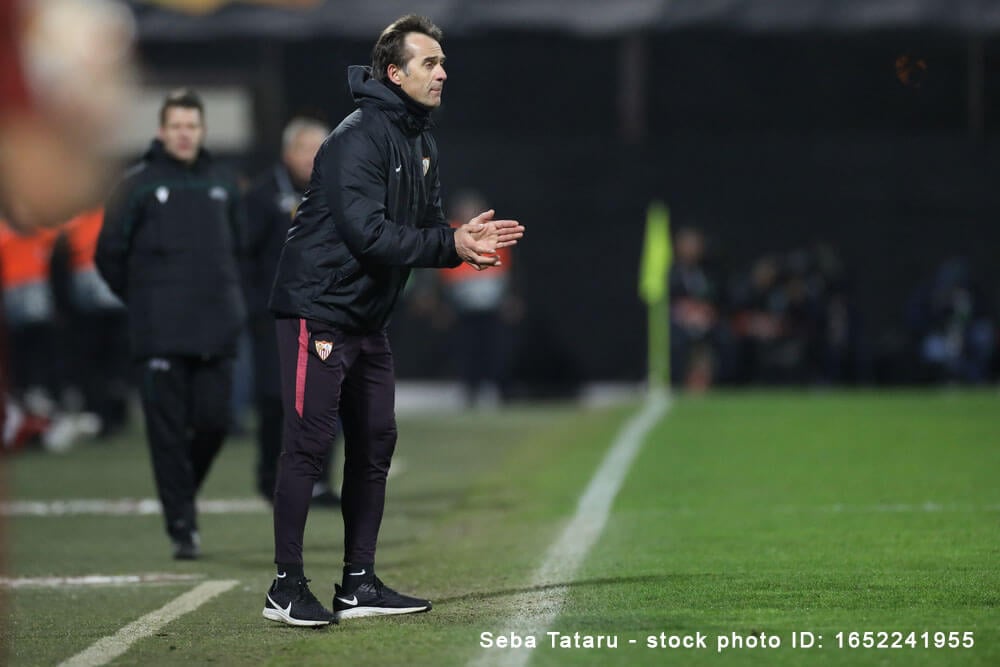
The tournament tacticians – the men pacing the technical area with clipboards and nerves – have never mattered more than they will at World Cup 2026. With 48 nations converging on Canada, the United States, and Mexico across 16 host cities, the margin between glory and an early flight home will be razor-thin. Tournament soccer rewards adaptability above everything else, and the coaches who master that skill tend to go deepest. For Canadian bettors, understanding the tactical fingerprints of the key World Cup 2026 coaches doesn’t just deepen appreciation of the game – it creates a genuine edge in markets ranging from outright winner to first goalscorer props.
Why Coaches Matter More in Tournaments Than in Club Soccer
In club soccer, a head coach operates with time on his side: months to implement ideas, full training weeks to correct flaws, and dozens of matches to rotate lineups and manage fatigue. At the World Cup, the entire philosophy must be compressed into days. A coach arrives with a clear system, the flexibility to deviate from it when the bracket demands, and the psychological intelligence to manage a locker room full of players who belong to rival clubs for the other 46 weeks of the year.
Historical data consistently backs this up. Nations with tactically coherent systems – Italy’s 2006 defensive structure under Marcello Lippi, Spain’s 2010 tiki-taka precision under Vicente del Bosque, Argentina’s calculated 2022 campaign under Lionel Scaloni – have repeatedly outperformed expectations based on raw talent alone. Conversely, rosters loaded with stars but lacking tactical identity have imploded spectacularly: Brazil 2014 under Luiz Felipe Scolari, France 2002 despite having Zidane and Henry at their peak.
The 2026 edition adds an extra complication. The expanded 48-team format introduces a new Round of 32 – essentially a knockout match earlier in the calendar than teams have ever faced. Coaches must now manage four games before reaching the quarter-finals, against potentially varied opponents in compressed windows. Depth of squad planning, rotation philosophy, and the ability to switch systems mid-tournament will be decisive factors that no amount of individual talent can replace.
Top World Cup 2026 Coaches to Watch
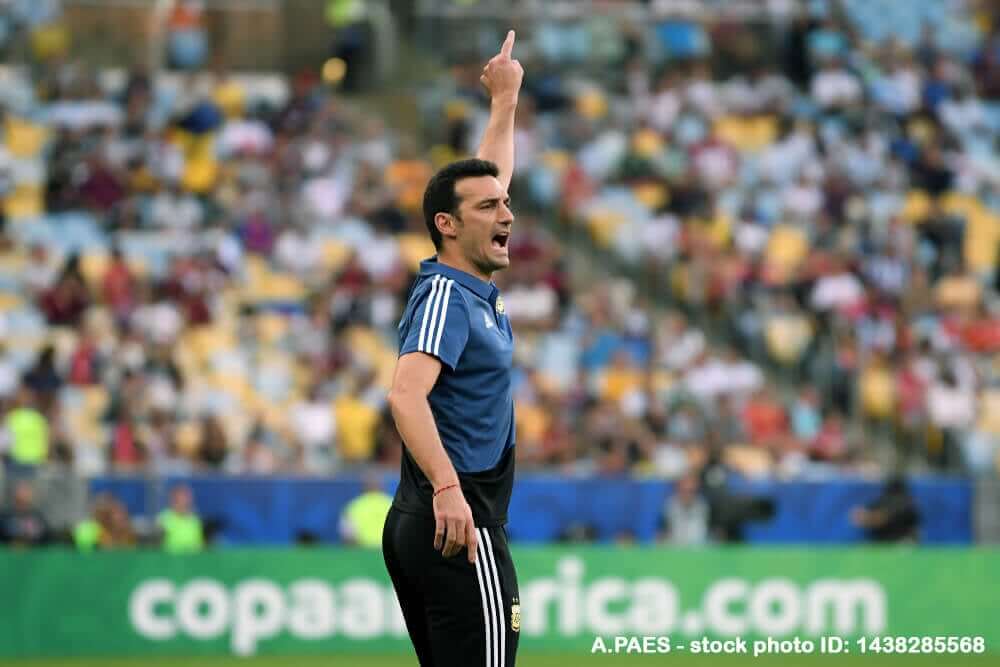
Lionel Scaloni – Argentina
Scaloni arrived at the Argentina job in 2018 as a relatively unknown figure and proceeded to deliver the country its third World Cup title in Qatar. His genius is system flexibility: he can organize a compact 4-4-2 block in defensive transitions and shift seamlessly into a fluid 4-3-3 in possession phases. More critically, he builds collective trust around individual brilliance rather than constructing the team around it. With Lionel Messi widely expected to make his final World Cup appearance in 2026, Scaloni’s greatest challenge will be constructing a functional team identity that doesn’t collapse when Messi’s influence on a match wanes – something he handled masterfully in Qatar.
Luis de la Fuente – Spain
The Euro 2024 winner arrives at 2026 with arguably the deepest technical player pool in the world. De la Fuente prioritizes verticality over the patient, recycling possession game that defined earlier Spanish generations under Del Bosque. His pressing triggers are among the most sophisticated of any international coach, and his willingness to build the program around young talent – Lamine Yamal, Pedri, Nico Williams – gives Spain a ceiling that concerns every other sportsbook favourite. Spain’s consistency in deep tournament runs across generations makes de la Fuente the coach whose system every opponent studies most carefully.
Jesse Marsch – Canada
For Canadian fans and bettors, no appointment carries more symbolic weight. Marsch brings the high-intensity gegenpressing philosophy developed through his work in the Red Bull network and refined during his Leeds United tenure. That style – relentless pressure, quick vertical transitions, aggressive defensive shape – suits Canada’s athletic, physically imposing roster better than a technically demanding possession system would. Playing on home soil before sold-out crowds in Vancouver, Toronto, and Edmonton delivers a structural advantage no opponent can manufacture. Marsch’s ability to organize a sustained pressing trap against elite opposition and sustain it across 90 minutes will determine Les Rouges’ ceiling.
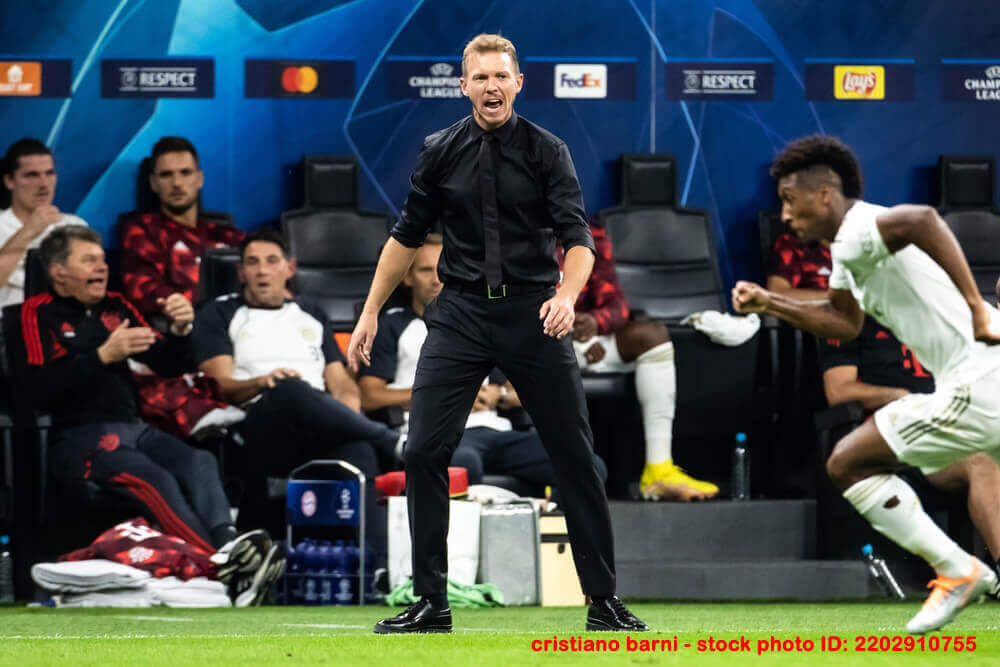
Julian Nagelsmann – Germany
Nagelsmann has systematically rebuilt Germany’s identity after the humiliation of Qatar’s group-stage exit. His preferred 3-4-3 structure demands intelligent ball-playing defenders and dynamic wingbacks who function as midfielders in possession, and Germany’s current generation – anchored by Florian Wirtz and Jamal Musiala in central areas – suits it precisely. German fans expect at minimum a semi-final run; the betting markets at most major sportsbooks lean the same direction.
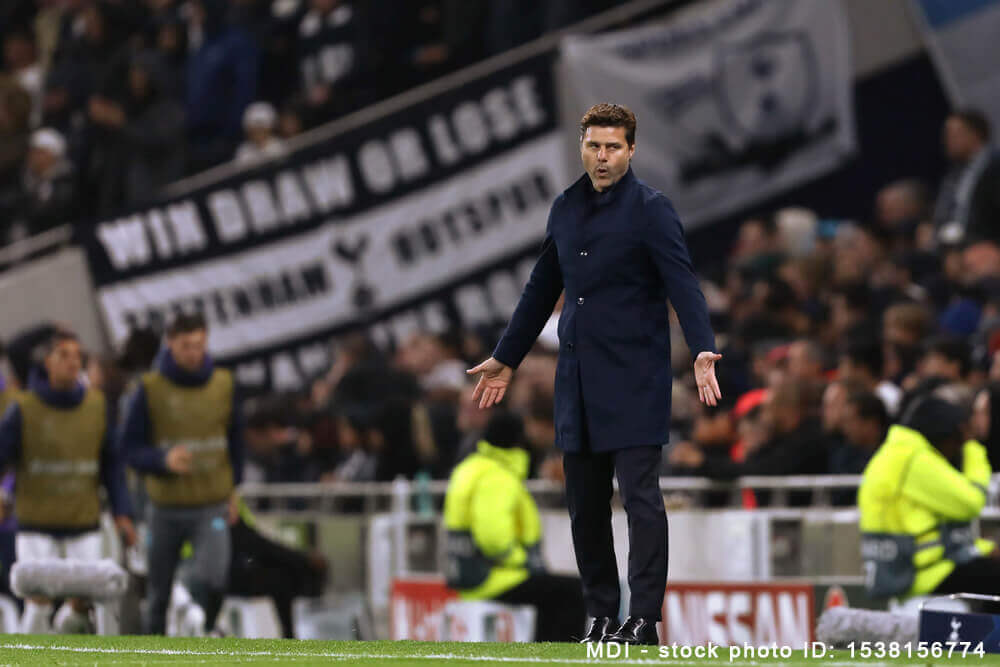
Mauricio Pochettino – USA
Pochettino’s appointment brought elite European club-level pedigree to the USMNT program. His high-defensive-line philosophy and demand for aggressive pressing out of possession should complement the speed and energy of the American attacking roster. His Champions League final run with Tottenham in 2019 demonstrated he can sustain knockout momentum across multiple high-pressure rounds – a quality that directly translates to tournament management.
Tactical Styles That Win World Cups
World Cup history reveals a clear pattern across the modern era: three tactical templates dominate championship runs. The first is organized low-block counter-attacking soccer – Italy 2006 being the definitive model, conceding just two goals en route to the title. The second is high-press positional dominance – Spain 2010 and 2012 (Euros) set the benchmark. The third, and increasingly dominant, is the hybrid adaptive system: a team that can defend in a low block, press in the mid-third, and transition directly through central lines depending on the opponent. Argentina 2022 and France 2018 both operated in this mode.
The 2026 format changes the calculus slightly. A Round of 32 knockout match against a potentially sharp, well-rested third-place qualifier requires a different tactical approach than a carefully studied Round of 16 opponent. Coaches who are comfortable operating from multiple base formations – who can shift from 4-3-3 to 3-5-2 mid-tournament based on opponent profile – carry a meaningful advantage over coaches locked into one shape.
| Coach | Nation | Primary System | Key Strength |
| Lionel Scaloni | Argentina | 4-4-2 / 4-3-3 hybrid | Defensive organization, Messi management |
| Luis de la Fuente | Spain | 4-3-3 high press | Midfield dominance, youth depth |
| Jesse Marsch | Canada | 4-3-3 gegenpressing | Athletic transitions, home advantage |
| Julian Nagelsmann | Germany | 3-4-3 wingback system | Technical quality, European depth |
| Mauricio Pochettino | USA | 4-2-3-1 high line | Knockout experience, pressing intensity |
| Didier Deschamps | France | 4-3-3 / 4-2-3-1 | Tournament experience, roster depth |
Historical Examples: When Coaching Made All the Difference
Few moments in World Cup history illustrate coaching impact more sharply than Guus Hiddink with South Korea in 2002. Working with a co-host nation – a structural situation directly analogous to Canada’s in 2026 – Hiddink transformed a team with zero international pedigree into a semi-finalist, defeating Spain and Italy along the way. His psychological preparation, intensive physical conditioning programme, and willingness to adapt tactically mid-match turned home advantage into a genuine competitive weapon. The parallel with Canada’s situation is not subtle; it’s the precise blueprint Marsch will have studied most closely.
Equally instructive is Vicente del Bosque’s failure to adapt in 2014. Spain entered Brazil as defending champions with a system that had delivered three consecutive international titles. When the system cracked against the Netherlands in a 5-1 group-stage demolition, Del Bosque had no credible Plan B. Contrast that with Scaloni’s handling of Argentina’s stunning 2-1 group-stage loss to Saudi Arabia in 2022: calmly reorganized, maintained belief, won three consecutive knockout games including a penalty shootout final. That is elite coaching under pressure, and it’s precisely the quality that separates tournament champions from talented early exits.
Betting Impact: How Coaching Shapes the Odds
Coaching data generates several genuinely actionable betting angles. When a new coach takes over a national team within 12 months of a major tournament, programs tend to underperform relative to talent level – institutional rhythm hasn’t been established, and tactical familiarity is shallow. Conversely, coaches entering their third or fourth major tournament with the same program – Deschamps with France, Scaloni with Argentina – tend to outperform pre-tournament odds because their system runs on autopilot under pressure.
For Canada specifically, the home-soil advantage under an established coach creates a compelling angle in the group-stage advancement markets. Sportsbooks typically price Canada’s group advancement based primarily on FIFA ranking – which significantly underweights home atmosphere, crowd impact, and the short travel distances the Canadian roster enjoys. The value window may be widest in the weeks immediately following the group draw, before line movement compresses it.
System-specific forward profiles also open up first goalscorer and anytime scorer markets. A coach who plays two strikers versus a single striker creates fundamentally different scoring probability distributions for each player. Understanding a coach’s preferred attacking shape – and how it might shift against different opponents – is data that most casual bettors overlook entirely.
Keep up with the latest odds and lineup intelligence on our soccer betting hub. Full outright odds for all national teams are tracked through qualification and updated as tournament rosters are confirmed.