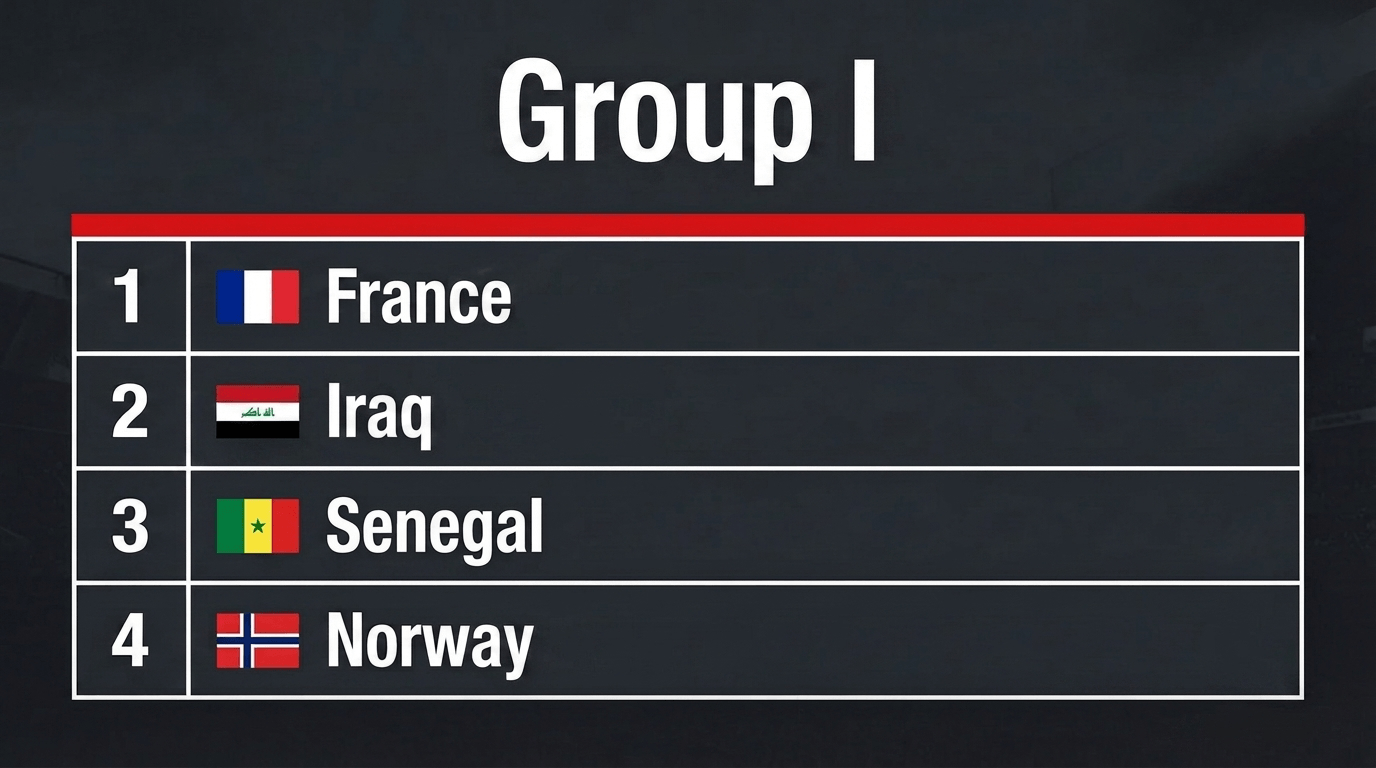
Soccer analysts have been calling it the Group of Death since the draw was made – and World Cup 2026 Group I earns that label. France, the former World Cup winners and perennial title contenders, anchor the group with an iron defensive structure and Kylian Mbappé at his peak. Norway, returning to the World Cup for the first time since 1998, arrive with Erling Haaland tearing up European qualifying records and a system far more sophisticated than their direct-play reputation suggests. Senegal – arguably Africa’s most complete team – possess the quality to beat anyone over 90 minutes. And Iraq, absent from the World Cup since Mexico 1986, complete a group where the race for that second qualifying spot may define the tournament’s opening weeks. Group I 2026 is unmissable. Here is our full breakdown.
Group I Overview
Few groups in World Cup history have been assembled with this kind of concentrated quality. World Cup 2026 Group I features the second-highest average FIFA ranking of any group in the tournament, headlined by France – who posted the lowest shots-conceded figure of any European side in qualifying (3.83 per 90 minutes) – alongside a Norwegian side that led all of UEFA qualifying in goals scored (37) and assists (29). Senegal add a third genuine threat: a team that controlled 64.8% of possession in African qualifying – the highest of any CAF nation – and combined technical quality with aggressive pressing to beat every opponent they faced. Iraq provide the wild card: a side that qualified for the first time in 40 years using a brutally effective low-block counter-attack strategy that turned a 32% possession average against Bolivia into a 2-1 playoff victory. The Group I predictions point to France and Norway advancing, but Senegal’s quality makes the second spot anything but certain. Canadian fans can watch every Group I fixture on TSN and DAZN.
France: The Most Difficult Team in the World to Score Against
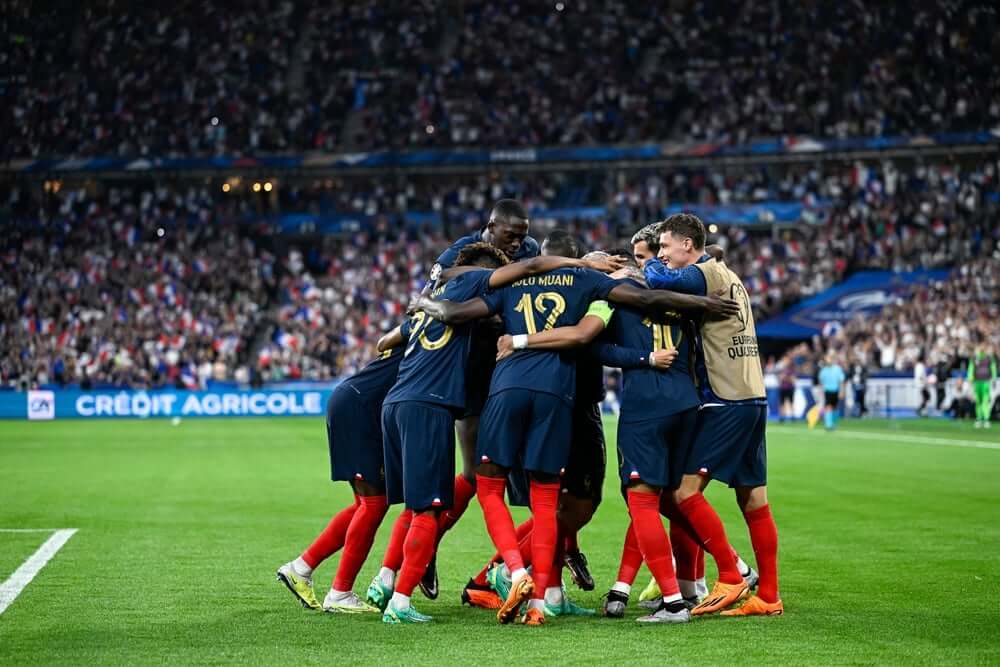
Thirteen years into the Didier Deschamps era, France remain exactly what they have always been: supremely difficult to defeat. The numbers from European qualifying underline the point with almost absurd emphasis. No team in all of UEFA conceded fewer shots than France across six qualifying matches – just 23 total, an average of 3.83 per 90 minutes. England, in second place, allowed 4.25. That gap is enormous, and it is the result of a deliberate, meticulously executed defensive philosophy that Deschamps has never wavered from.
On paper, France operate in a 4-2-3-1 with a midfield double pivot shielding the defensive four and wide players working in both directions. In practice, the system is less about the formation number and more about the principles: deny space, protect the centre, maintain defensive compactness, and counter-attack with the pace and quality that players like Kylian Mbappé provide in abundance. Mbappé scored a brace against Ukraine in the match that confirmed France’s qualification – a clinical demonstration that when the opportunity arises, France do not waste it.
Predictable? Perhaps. But France World Cup 2026 remains one of the two or three teams most likely to win the tournament outright, and Group I 2026 is not a group where France should be seriously threatened. Their opening fixture against Senegal is the most significant match of their group stage – if Les Bleus handle it with the same defensive discipline they showed throughout qualifying, the Group I standings will reflect France at the top from matchday one onwards. Their organisation and experience make them the clearest Group I prediction for first place.
Norway: The Striker-Led Juggernaut That Has Grown Up
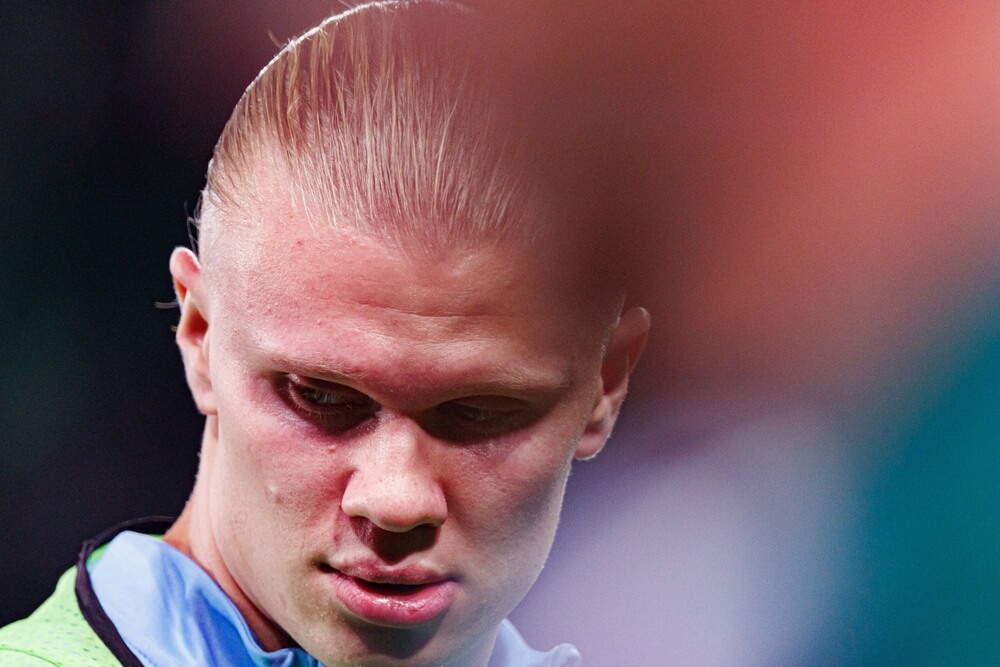
For years, Norway were the punchline of European qualifying: a big striker, long balls, and little else. Under Ståle Solbakken, that narrative is obsolete. Norway World Cup 2026 represents the arrival of a genuinely sophisticated system built around world-class individual talent but no longer dependent on it for structure.
The qualifying numbers are staggering: 37 goals scored – the most of any UEFA nation – 29 assists (also a UEFA high), and an expected goals (xG) figure of 24.70 that placed them second across the entire European qualifying round. Yes, Erling Haaland is the focal point and the most dangerous centre-forward in world soccer. But what Solbakken has built around him is equally important: Norway used direct long balls in just 6.6% of their qualifying plays – the eighth lowest in UEFA – preferring instead coordinated ball progression, winger overloads (both tracking inside and staying wide), and quick combination sequences to break into the final third. This is not a team that just pumps it to Haaland and hopes.
The challenge for Norway in World Cup 2026 Group I is France. Deschamps’ defensive structure is the most resistant in world soccer, and Haaland, as lethal as he is against conventional defences, has not always flourished against packed, organized backlines in international soccer. The Norway vs Senegal clash on June 22 is potentially the decisive match for the second qualifying spot – and on that particular day, with momentum and qualification on the line, Norway’s deeper system gives them a slight edge. Our Group I predictions have Norway advancing but not without a genuine battle.
Senegal: Africa’s Most Dangerous Contender
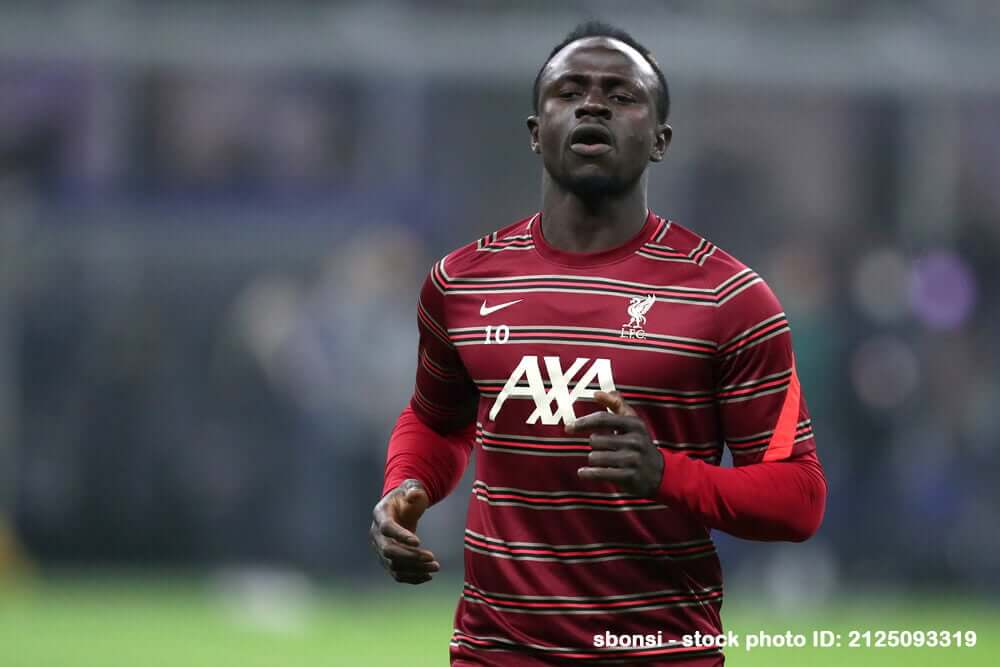
Senegal arrive at this World Cup as, arguably, the most complete African nation in the tournament – and as a team that carries genuine ambitions beyond the group stage. Under Pape Thiaw, the Lions of Teranga have developed a style that blends technical sophistication with physical intensity: 64.8% average possession in CAF qualifying (the highest of any African qualifier), an aggressive pressing system that suffocates transitions, and individual talent distributed evenly from goalkeeper to forward.
The squad’s depth is its most impressive feature. From back to front, players operate at the highest levels of European club soccer, giving Thiaw options at every position and the tactical flexibility to shift shape depending on the opposition. Senegal’s press is their most dangerous weapon against teams who want to build from the back – they trigger quickly, commit multiple players to the press, and convert turnovers into shots with a directness that punished every African opponent they faced in qualifying.
In Group I 2026, Senegal’s most critical match is the opener against France on June 16. France are built to absorb pressure, so Senegal will need to be patient, structured, and clinical when chances arrive. If they can keep that match tight and win their other two fixtures, they advance from the Group I standings in second place – which is the realistic ceiling for this campaign, and one they are absolutely capable of reaching. Senegal are the value pick in World Cup Group I.
Iraq: Pragmatism as a Path to the World Cup
Iraq’s qualification for the 2026 World Cup – their first appearance since Mexico 1986 – was built on one of the most uncompromising tactical plans in the entire qualification process. Under Graham Arnold, who took over mid-campaign following the shock dismissal of Jesús Casas after a surprise defeat against Palestine, the Lions of Mesopotamia refined a counter-attacking, low-block system that required nothing beyond defensive shape and lethal precision on the break.
The playoff victory against Bolivia in Monterrey was a masterclass in pragmatic soccer: 32% possession for Iraq, 16 shots for Bolivia versus 7 for Iraq, and a 2-1 Iraq win. Every number in that match was wrong for Iraq except the only one that matters – the final score. Arnold has built a team that concedes territory willingly, absorbs the opposition’s best work, and punishes the moments when an anxious opponent over-commits defensively.
In World Cup 2026 Group I, that approach will face its sternest test. France will be able to restrict space with their own defensive structure. Norway will generate chances through volume. Senegal will press and create. Iraq’s path to the Group I standings includes a maximum of six realistic points – against Norway and Senegal in their first two fixtures – and their counter-attack model gives them a fighting chance in both. Group I 2026 is an enormous step up from the AFC, but Iraq have earned the right to prove themselves on this stage.
Group I Fixtures – All Times Eastern (ET)
| Date & Time (ET) | Match | Venue |
| Tuesday, June 16 – 3:00 PM ET | France vs Senegal | New York / New Jersey |
| Tuesday, June 16 – 6:00 PM ET | Iraq vs Norway | Boston |
| Monday, June 22 – 5:00 PM ET | France vs Iraq | Philadelphia |
| Monday, June 22 – 8:00 PM ET | Norway vs Senegal | New York / New Jersey |
| Friday, June 26 – 3:00 PM ET | Norway vs France | Boston |
| Friday, June 26 – 3:00 PM ET | Senegal vs Iraq | Toronto |
Every Group I fixture is available to Canadian viewers on TSN, CBC, CTV, RDS (French-language), and DAZN. The June 26 simultaneous double-header – Norway vs France and Senegal vs Iraq kicking off at the same moment – will determine the final Group I standings and may produce one of the most intense mornings of World Cup group-stage action this tournament delivers.
Group I Odds and Predictions
The Group I odds across Canadian sportsbooks like bet365, BetMGM, and Betway reflect France as overwhelming group winners and Norway as the slight favourites for second place – with Senegal not far behind and Iraq listed as significant longshots to advance.
| Team | To Qualify (Top 2) | To Win Group I |
| France | -1000 / 1.10 | -400 / 1.25 |
| Norway | -350 / 1.29 | +300 / 4.00 |
| Senegal | +200 / 3.00 | +500 / 6.00 |
| Iraq | +600 / 7.00 | +2000 / 21.00 |
France to qualify (-1000) is structurally the safest bet in all of World Cup Group I – and probably the entire tournament. But adding France to a parlay as a pure insurance play rather than betting them alone is the smarter structure, since the juice is essentially gone on a bet that short. Norway to qualify (-350) is the second pillar of a Group I parlay: they scored more goals than any European nation in qualifying, and their system is too well-developed to fall short of the knockout stage.
The real analytical interest in Group I predictions is Senegal at +200 to qualify. Senegal are genuinely the better team than Norway in multiple phases of the game – their pressing is more organized, their possession numbers are higher, and their individual quality is distributed more evenly through the roster. The Norway vs Senegal head-to-head on June 22 could be the determining match of the group stage. Norway’s finishing edge through Haaland gives them a narrow advantage, but Senegal at 2/1 is a real value bet for the risk-tolerant bettor. Parlaying Senegal to qualify with France to win the group is an aggressive but defensible combination.
Our Group I 2026 prediction: France win the group comfortably. Norway advance in second place after surviving a tight June 22 clash with Senegal. Senegal exit frustrated – but with a level of performance that signals major things ahead. Iraq earn a deserved result against one opponent but ultimately fall short.
Group I standings forecast: 1. France (9 pts) | 2. Norway (6 pts) | 3. Senegal (3 pts) | 4. Iraq (0 pts)
Track the full Group of Death from matchday one at our World Cup 2026 Groups page. All the latest World Cup 2026 Odds are updated live throughout the tournament. Visit our World Cup 2026 hub for the complete guide.