Twenty-four years. That is the championship drought haunting the most decorated nation in FIFA World Cup history. Brazil enters the 2026 tournament – co-hosted by Canada, the United States and Mexico – as a team caught between generations, trading the fading brilliance of Neymar’s era for the explosive promise of Vinicius Jr., Rodrygo and a teenage Endrick. Under Italian coaching legend Carlo Ancelotti, who accepted the national team challenge after conquering every major club honour in European soccer, the Seleção arrive with a clear mandate: end the longest title gap since the five-time champions’ dynasty began. Current Brazil World Cup 2026 odds at Canadian sportsbooks hover between 6.00 and 7.50 – third favourite behind Argentina and France – a price that acknowledges genuine quality while flagging legitimate concerns.
Brazil’s Bumpy Road to North America
The story of Brazil’s 2026 qualifying campaign is not one of dominance – it is one of survival with style in patches and genuine fragility in others. Finishing fifth in the CONMEBOL standings with 28 points from 18 matches, the Seleção secured their place four rounds before the final whistle of South American qualifying. On paper that reads comfortably. In practice it masked a campaign defined by defensive inconsistency and troubling away-day form.
Brazil’s home record was exemplary: seven wins and two draws across nine matches played on Brazilian soil. The away form told an entirely different story. Only three wins from nine road fixtures, with defeats in Argentina (1-0) and Uruguay (2-1) exposing vulnerabilities that quality European opponents will look to exploit at the tournament. A 1-1 draw in Venezuela – a match Brazil were expected to win comfortably – added to the unease surrounding the campaign.
Defensively, the numbers alarm analysts. Opponents averaged 1.06 goals per game when Brazil played away from home – nearly double the 0.44 average conceded domestically. The central defensive partnership between Marquinhos and Gabriel Magalhães never truly solidified, disrupted by injuries to Éder Militão and Danilo that prevented consistent selection across the campaign. Offensively, however, Brazil thrived regardless of context. Twenty-nine goals scored in 18 qualifying matches – second only to Argentina’s 31 across the CONMEBOL standings – confirmed the attacking resources remain world-class despite the institutional disruption at the coaching level. Ancelotti inherited a squad with firepower to burn; his challenge is constructing a defensive foundation sturdy enough to carry it to a seventh final.
Ancelotti’s Blueprint: Vision and Tactics in a New Role
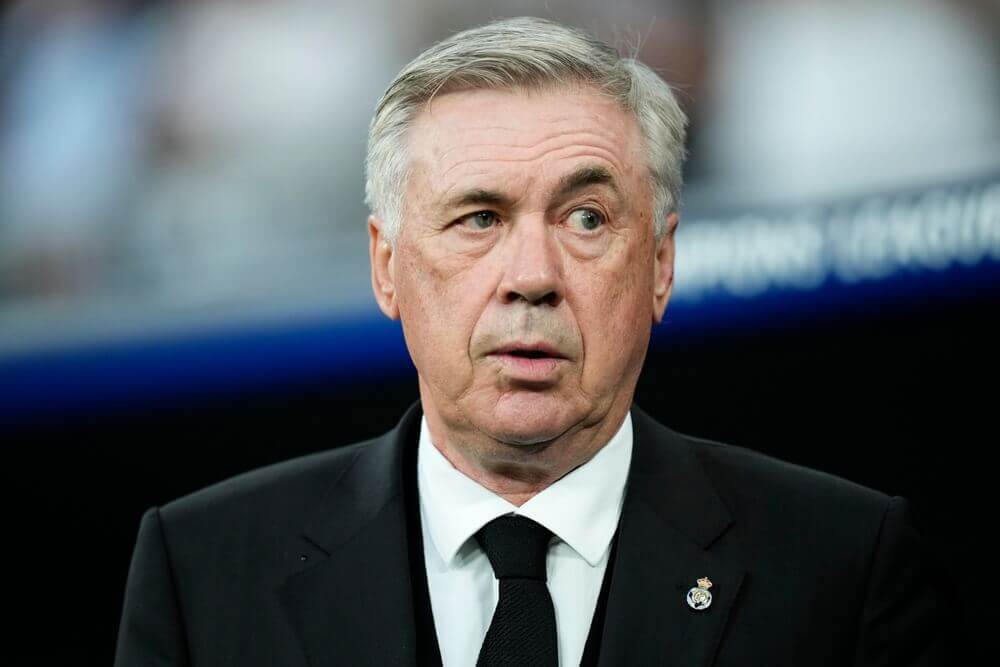
Carlo Ancelotti accepted the Brazil coaching position fully aware he was stepping into the most scrutinised job in international soccer. A five-time Champions League winner at club level – with AC Milan, then Real Madrid on three separate occasions – Ancelotti had conquered every prize European club football offers. A World Cup presented the sole remaining frontier on his extraordinary résumé, and Brazil offered the platform with the talent capable of delivering it.
His appointment arrived with built-in credibility that other candidates could not replicate. During his tenure at Real Madrid, Ancelotti coached Vinicius Júnior, Rodrygo, Casemiro and Éder Militão through the most successful period in the Spanish club’s recent history. Players who might have viewed another rotating Brazilian federation appointment with scepticism welcomed a figure who knew their strengths, respected their capabilities and communicated in the language of elite-level European soccer. That pre-existing trust shortened the adaptation period meaningfully.
Tactically, Ancelotti’s Brazil differs from the Tite era in significant ways. The Italian favours a structured 4-2-3-1 or 4-4-2 shape that prioritises balance over chaos. Fullbacks attack less frequently, the midfield carries greater responsibility in build-up sequences, and the wide forwards receive possession in tighter positions closer to goal rather than picking the ball up in deep areas and running at defenders with 40 metres of space ahead of them. This adjustment reduces transition vulnerability – Brazil’s most consistent defensive weakness in qualifying – while building a more disciplined platform to protect the backline.
The trade-off is the pace of attack. Brazil’s most dangerous moments under Tite came in rapid transitions, with Vinicius erupting into space behind stretched defensive lines. Ancelotti uses that dimension selectively – a weapon held in reserve rather than the primary mechanism. Critics argue this approach neutralises Brazil’s most dangerous individual asset; supporters note that Champions League finals have been won on exactly this brand of pragmatic, patient control.
With only six months between his appointment and the opening match in New York, Ancelotti faced the challenge that derails coaches transitioning from club to international football: insufficient time on the training ground to install new habits against deeply embedded ones. The group stage will reveal whether the Italian’s system has genuinely clicked – or whether Brazil is still mid-process when the knockout rounds begin and the margin for error disappears.
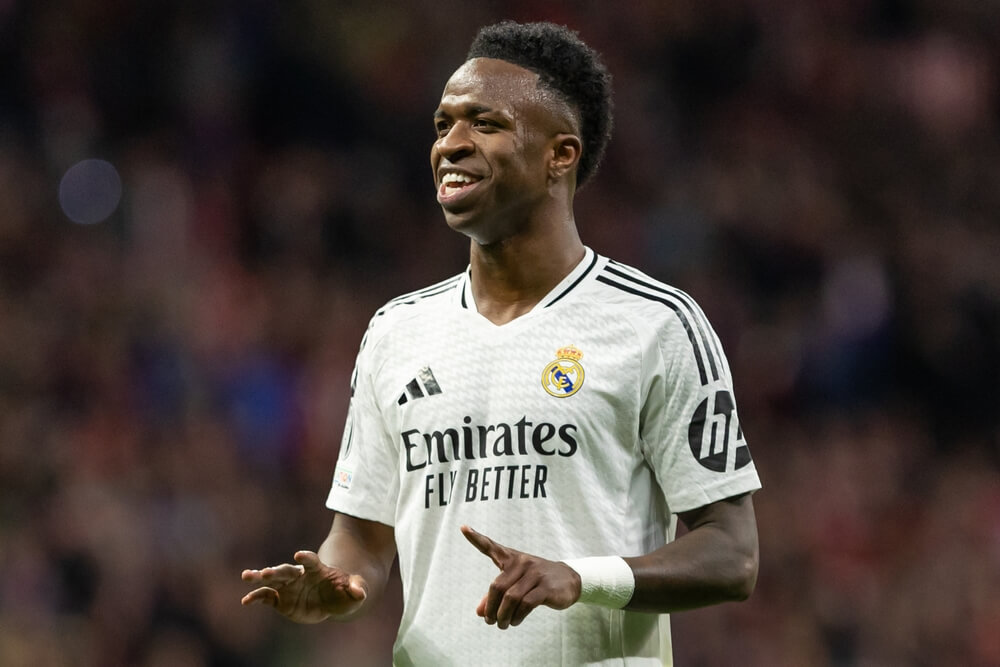
Brazil Squad World Cup 2026: Key Players Carrying the Seleção’s Hopes
The central debate inside Brazilian soccer heading into 2026 is whether this generation carries the psychological weight to match its physical gifts. The talent is indisputable. The experience of winning major tournaments? Almost non-existent among the players Ancelotti will lean on most heavily. The Brazil squad World Cup 2026 represent a fascinating blend of established brilliance and untested promise.
Vinicius Jr. arrives as the most electrifying wide forward on the planet. His pace, dribbling and clinical finishing have dismantled the world’s finest fullbacks across multiple Champions League campaigns with Real Madrid. In South American qualifying, he delivered seven goals and five assists – by far the most influential individual contribution in a Brazilian shirt across the entire 18-match campaign. His weakness is consistency across 90 minutes: stretches where he appears unstoppable alternate with long periods where he is entirely peripheral. In elimination-round knockout matches, that volatility is a gamble that could cost Brazil dearly or deliver an individual moment that wins the entire tournament.

Rodrygo completes a devastating wide partnership alongside his Real Madrid clubmate. At 25 during the World Cup, he brings maturity beyond his years – the ability to read danger early, combine effectively in compressed spaces and score in pressure moments. He contributed five goals during qualifying and, crucially, performs best when defensive attention concentrates elsewhere. Rodrygo does not need to be the focal point of any attack to be decisive.
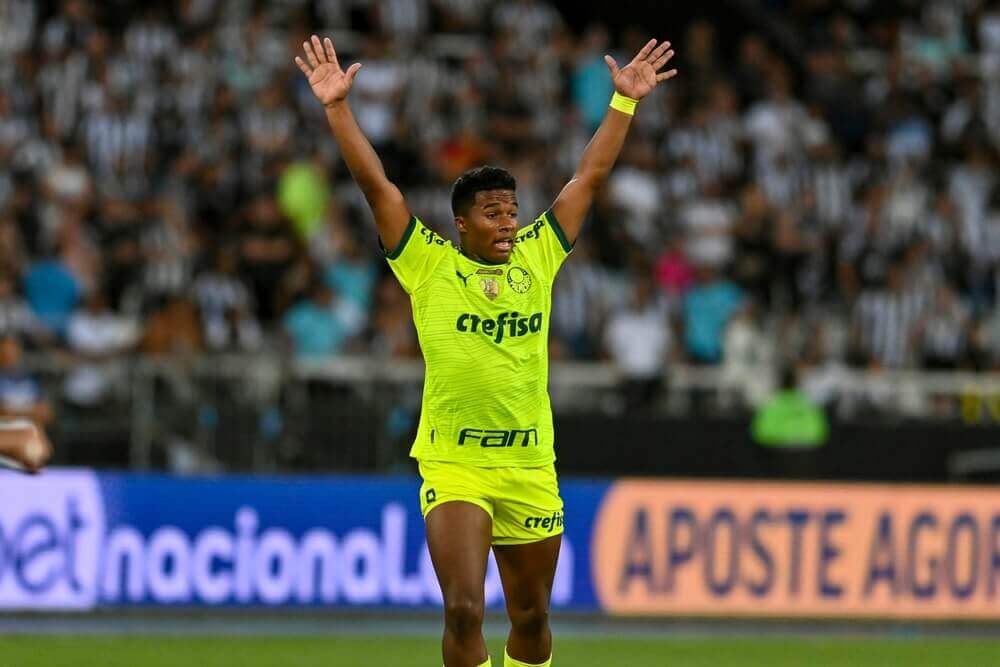
Endrick is the teenager the global soccer community will watch most closely. At just 19 years of age during the tournament, the Real Madrid striker carries comparisons that speak more to Brazilian hope than to proven achievement – though what he has demonstrated is physical power, instinctive finishing and an unflappable temperament in big matches. He scored eight goals for Real Madrid in his debut season in Spain, competing for minutes with established veterans. Ancelotti will likely deploy him as a carefully managed rotation option, though a quiet start from the first-choice striker could accelerate his route into the starting lineup rapidly.
In goal, Alisson Becker remains one of the five best keepers in world soccer. His shot-stopping reflexes, organisational authority and distribution with his feet provide Brazil with a defensive foundation that other nations would sacrifice considerably to possess. Ederson provides quality cover that maintains genuine competition for the jersey. The goalkeeper position generates zero anxiety for Ancelotti – a luxury in a roster carrying plenty of it elsewhere.
The defensive concerns are structural. Marquinhos leads the backline at 32, his experience and reading of the game still elite-level, though his pace in behind against quick forwards has diminished. Gabriel Magalhães contributes aerial dominance and composure in possession. Éder Militão, when fully fit, offers the best combination of recovery speed and anticipation among Brazilian central defenders – but recurring injury history prevents any coach from pencilling him in as a reliable starter across seven potential matches.
The midfield exposes Brazil’s most significant structural limitation. Bruno Guimarães brings energy and late-arriving runs into the box but lacks the territorial authority of a prime Casemiro. Lucas Paquetá contributes creative vision at the cost of defensive positioning. João Gomes and André offer holding-midfield depth that Ancelotti values against opponents who press aggressively high. The midfield as a unit remains the most uncertain component of a Brazil squad built around extraordinary individual talent rather than collective system.
Raphinha deserves recognition as a genuinely versatile asset across both flanks and occasionally as an attacking midfielder. His qualifying numbers – four goals and six assists – make him one of Brazil’s most productive contributors. His physicality, developed across several seasons in the English Premier League, prepares him for the intensity European and African opponents will bring to World Cup knockout matches. Richarlison provides experienced frontline depth and relentless pressing; Martinelli offers electric pace as a wide left alternative. The attacking depth is genuine, even without a fully fit Neymar – whose return from his serious knee injury adds a variable Ancelotti cannot plan around with certainty.
Strengths and Weaknesses: The Honest Assessment
Brazil’s greatest tournament strength is the concentration of elite talent in the final third. No national roster in the 2026 field possesses comparable attacking depth: Vinicius, Rodrygo, Endrick, Raphinha, Richarlison and Martinelli would compete for starting positions at virtually any other competing nation. The variety of attacking threat – blistering pace, technical dribbling, movement in the penalty area and set-piece danger – means no single defensive strategy neutralises all dimensions simultaneously. Opponents must choose how to defend and accept consequences either way.
The goalkeeper situation is a secondary strength. Alisson Becker has proven in the most demanding club environments that his best performances arrive in the highest-pressure moments. Brazil cannot ask for more.
The weaknesses are structural and personnel-based. Away from home in qualifying, Brazil became a fundamentally different, more vulnerable team – reactive, uncertain in possession and exposed on transitions. The central defensive partnership never achieved the stability that knockout-round success demands. Ancelotti’s more conservative approach should reduce exposure, but Marquinhos’ declining pace and Militão’s fitness history remain genuine concerns across a seven-match tournament run.
The midfield offers insufficient protection when Brazil goes forward in numbers. When opponents press the Brazilian defensive midfielders high, the backline is exposed directly – a vulnerability that Germany, France or England would consciously target in a knockout match. The experience gap is the final concern: Vinicius, Rodrygo and Endrick have never played a high-pressure World Cup knockout match. Whether their Champions League composure transfers to the national team context, where an entirely different psychological weight applies, is the question no pre-tournament analysis can definitively answer.
CONMEBOL Qualifying – Brazil’s Path Through South America
Brazil secured their place at FIFA World Cup 2026 on Matchday 14 of the South American qualifying campaign – four rounds before the final whistle. The headline reads comfortably; the detail reveals a campaign that required the Seleção to work considerably harder than their historical pedigree would suggest.
Three coaches steered Brazil across the 18-match qualifying window. Tite departed following the 2022 Qatar exit. Fernando Diniz served as interim across the opening stretch before Carlo Ancelotti was eventually confirmed and arrived to stabilise the final stages. That level of institutional turbulence at the helm of any national soccer program rarely produces clean, authoritative qualifying campaigns – and Brazil’s was neither clean nor authoritative despite the ultimate result being achieved.
The Seleção finished fifth in the CONMEBOL standings with 28 points from 18 matches (8W, 4D, 6L). The goal difference of +7 – 24 scored, 17 conceded – illustrates a team that creates enough offensively to carry defensive fragility through the group phase, but would be genuinely exposed against elite European defensive units in a knockout environment. Argentina won the CONMEBOL standings by a 10-point margin, a gap that accurately reflects the difference in form and consistency across the campaign.
| Pos | Team | PJ | G | E | P | GF | GC | DG | Pts |
| 1 | Argentina | 18 | 12 | 2 | 4 | 31 | 10 | +21 | 38 |
| 2 | Ecuador | 18 | 8 | 8 | 2 | 14 | 5 | +9 | 29 |
| 3 | Colombia | 18 | 7 | 7 | 4 | 28 | 18 | +10 | 28 |
| 4 | Uruguay | 18 | 7 | 7 | 4 | 22 | 12 | +10 | 28 |
| 5 | Brazil | 18 | 8 | 4 | 6 | 24 | 17 | +7 | 28 |
| 6 | Paraguay | 18 | 7 | 7 | 4 | 14 | 10 | +4 | 28 |
The top six CONMEBOL nations qualify directly for the World Cup. Brazil’s fifth-place finish secured their automatic berth, though the margin above seventh place – and the playoff spot – was narrower than their global reputation warrants.
Ver esta publicación en Instagram
Brazil World Cup History: Five Stars and a 24-Year Silence
No nation has shaped the FIFA World Cup’s identity more completely than Brazil. Five titles. Qualification for every edition of the tournament in its history – the only country with that distinction. A style of play so singular it produced a philosophy – jogo bonito – that soccer cultures worldwide attempt to replicate and consistently fail to match.
The titles arrived at the 1958 tournament in Sweden, where a 17-year-old Pelé announced himself to a stunned global audience; 1962 in Chile; 1970 in Mexico, the Pelé-era masterpiece; 1994 in the United States on penalty kicks against Italy; and finally 2002 in South Korea and Japan – the last time the Seleção held the golden trophy. For a detailed look at how the full tournament history across all nations connects to the 2026 edition, visit the World Cup 2026 hub.
The 24 years since Yokohama have produced near-misses and genuine trauma. Quarterfinal exits in 2006 and 2010 frustrated without devastating. The 2014 tournament on home soil became a national wound: a 7-1 semifinal dismantling by Germany in Belo Horizonte – the “Mineirazo” – scarred an entire generation of supporters and cast a shadow that Ancelotti’s appointment was partly designed to exorcise. The 2018 and 2022 editions added further quarterfinal exits, deepening the sense of a proud program searching for the direction its history demands.
Ver esta publicación en Instagram
Group C Fixtures – Brazil’s Opening Phase in North America
Group C places Brazil alongside Morocco, Haiti and Scotland – a bracket that rewards composed favourites but punishes any team that confuses expected with guaranteed. Explore the full World Cup 2026 groups breakdown for context on all 12 groups.
Morocco represent the group’s genuine danger. The 2022 quarterfinalists – who eliminated Spain and Portugal at Qatar in the same tournament run – operate under Walid Regragui with a defensive organisation that frustrates technically superior opponents. Brahim Díaz and Amine Harit provide attacking quality on the counter. The June 13 opener against Morocco at the MetLife Stadium in New Jersey is the group’s defining match. A Brazil win effectively locks up group leadership; a draw or defeat creates real pressure on subsequent fixtures.
Scotland return to the World Cup with Premier League quality throughout. John McGinn, Scott McTominay and Andrew Robertson anchor a roster that will defend in a compact block, look to disrupt Brazil’s build-up and exploit any set-piece opportunity. The Scots will not open the game – they will make Brazil find the answers, which is precisely the scenario where the Seleção’s midfield limitations are most exposed.
Haiti qualified as a CONCACAF playoff representative and represent the group’s most accessible three points. Brazil should handle this fixture comfortably, and Ancelotti will use it to rotate and manage minutes for the knockout stages.
| Date | Time (ET) | Match | Venue |
| Sat, June 13, 2026 | 18:00 | Brazil v Morocco | MetLife Stadium, New York/New Jersey |
| Sat, June 13, 2026 | 21:00 | Haiti v Scotland | Gillette Stadium, Boston |
| Fri, June 19, 2026 | 18:00 | Scotland v Morocco | Gillette Stadium, Boston |
| Fri, June 19, 2026 | 21:00 | Brazil v Haiti | Lincoln Financial Field, Philadelphia |
| Wed, June 24, 2026 | 18:00 | Brazil v Scotland | Hard Rock Stadium, Miami |
| Wed, June 24, 2026 | 18:00 | Morocco v Haiti | Mercedes-Benz Stadium, Atlanta |
Brazil World Cup Odds and Betting Predictions
Brazilian World Cup odds at Canadian sportsbooks position the Seleção between 6.00 and 7.50 to lift the FIFA World Cup 2026 – placing them third in the outright market behind Argentina and France. Our probability model assigns Brazil a 13-15% chance of winning the tournament, which means odds above 6.50 carry mild value for bettors comfortable with the squad’s volatility risk.
The most efficient market for Brazil-focused Canadians is “reaches the semifinals,” available around 2.10-2.30 at most sportsbooks. Group C is navigable, Brazil’s knockout pedigree – even imperfect – is stronger than most nations in the field, and the path through a likely quarterfinal against a European side is difficult but manageable with this attacking roster. At those odds, the case for value is cleaner than backing them outright to win it all.
Vinicius Jr. for tournament top scorer deserves a speculative position. He cotizes at 20.00-25.00 at most books. His volume of direct attacking actions, set-piece involvement and clinical finishing make him a legitimate candidate if Brazil advances deep into the knockout rounds – his best performances always arrive on the grandest stages. This is a high-variance bet but one where the underlying logic holds.
Avoid “Brazil to keep a clean sheet” markets in their opener against Morocco. Ancelotti’s system is not built around defensive impermeability – it is built around controlling games with the ball and punishing defensive mistakes in transition. Morocco’s counter-attacking efficiency against higher-ranked teams, proven emphatically at Qatar 2022, means conceding at least one attempt on goal is the most likely scenario.
The smartest parlay for Canada-based Brazil bettors combines group stage advancement (near certainty, 1.08-1.12) with a Round of 16 victory (1.40-1.55) to build modest odds without overextending into knockout unpredictability. Check the latest lines on our World Cup 2026 odds page before placing any wager, as markets shift quickly once roster announcements are confirmed.
Brazil enters 2026 with the attacking firepower to beat any opponent on the planet on a given night, and the defensive frailties to make any betting line shorter than 6.00 an overreaction to name recognition. Ancelotti’s pragmatism provides a floor; Vinicius Jr.’s brilliance provides a ceiling. The gap between those two points is where the betting value lives – and where the 2026 tournament will ultimately be decided for the Seleção. Follow all Group C developments at our World Cup 2026 hub.